Supply Chain Due Diligence Act (LkSG): Implement due diligence obligations in the supply chain
The Supply Chain Due Diligence Act (LkSG) requires companies to identify and minimize human rights and environmental risks in their supply chain. Since 2024, it has applied to companies with 1,000 or more employees — and the EU directive (CSDDD) will further expand the scope.
What does the LkSG require?
Companies must, within their own operations and with direct suppliers:
Conduct risk analysis: Regular assessment of human rights and environmental risks
Take preventive measures: Appropriate measures to avoid and minimize identified risks
Establish a complaints mechanism: Enable reports of grievances
Documentation and reporting: Annual report on the fulfillment of due diligence obligations
The role of background checks in the LkSG
An often overlooked aspect: checking the people behind the suppliers. Who are the owners and managing directors of your suppliers? Are there any links to human rights violations, sanctions listings, or corruption?
Background checks on business partners and their Key Persons are an important component of LkSG compliance — comparable to due diligence in investment decisions:
Check ownership structure: Who is behind the supplier? Are there layered structures or front men?
Sanctions list screening: Are owners or managing directors listed on international sanctions lists?
Adverse Media: Are there media reports about human rights violations, child labor, or environmental offenses?
PEP status: Are key individuals politically exposed — which may indicate an increased corruption risk?
How Indicium supports LkSG compliance
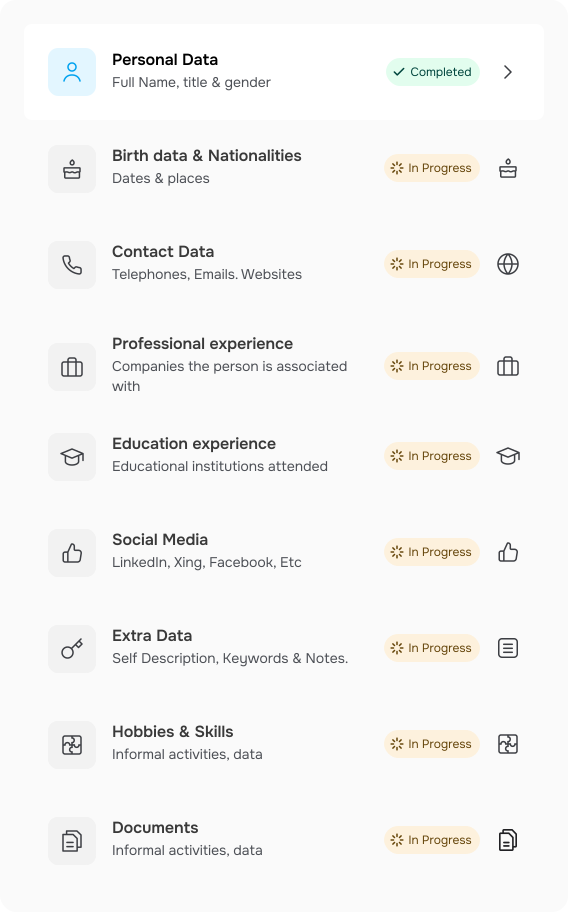
Business partner screening: Automated checks of suppliers and their Key Persons against 50+ data sources
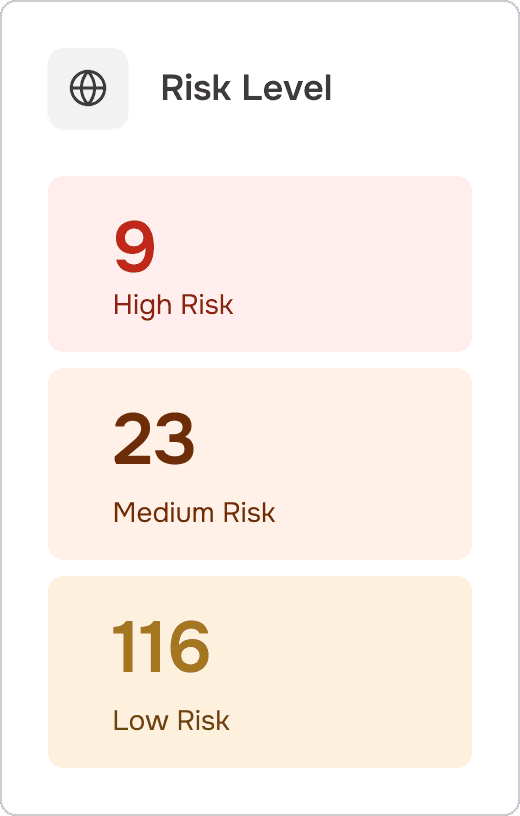
Risk scoring: Country- and industry-based risk assessment of your supply chain
Ongoing monitoring: Automatic alerts when your partners' risk profiles change
Documentation: Audit-proof evidence for the annual LkSG report
The result: you fulfill your LkSG due diligence obligations systematically and verifiably — without manual research effort for each supplier.
Read more — related articles
Nabil el Berr, CEO

Diesen Artikel gelesen? Sprich 30 Min mit unserem Head of Sales.
Die hier beschriebenen Prüfungen automatisiert Indicium: DSGVO-konform, EU/Schweizer Hosting, audit-fester Trail, Reports in 8–30 Minuten. Drei Insight-Essential-Reports kannst Du ohne Kreditkarte testen.
Mabon Hein, Head of Sales · 30 Min · Keine Sales-Pitch