Fit & Proper Assessment: BaFin Requirements Explained Simply
Anyone taking on leadership responsibility in the financial sector must be "fit and proper" — professionally qualified and personally reliable. BaFin checks this when appointing managing directors, supervisory board members, and key function holders.
But what exactly is reviewed? And how can companies prepare for the process?
What does Fit & Proper mean?
The concept comes from the European supervisory guidelines (EBA/ESMA Guidelines) and is divided into two areas:
Fit (Professional suitability): Sufficient theoretical and practical knowledge for the respective role. BaFin expects relevant professional experience, industry knowledge, and verifiable qualifications.
Proper (Personal reliability): No criminal convictions, no ongoing investigations, no insolvency proceedings, no sanctions listings. BaFin also reviews conflicts of interest and availability of time.
Who must be assessed?
The Fit & Proper requirements apply to:
Managing directors and executive boards of credit institutions
Members of supervisory boards and administrative boards
Key Function Holders
Holders of significant shareholdings
Even in the event of personnel changes (new appointment, change of role), suitability must be proven again.
Common pitfalls
Many companies underestimate the effort involved in the Fit & Proper assessment:
Incomplete documentation: BaFin expects complete evidence — missing documents delay the process significantly
No preliminary check: If problems are only discovered during the BaFin procedure, time becomes an issue
One-time event: Fit & Proper is not a one-off matter — ongoing monitoring obligations are often overlooked
How Indicium speeds up the process
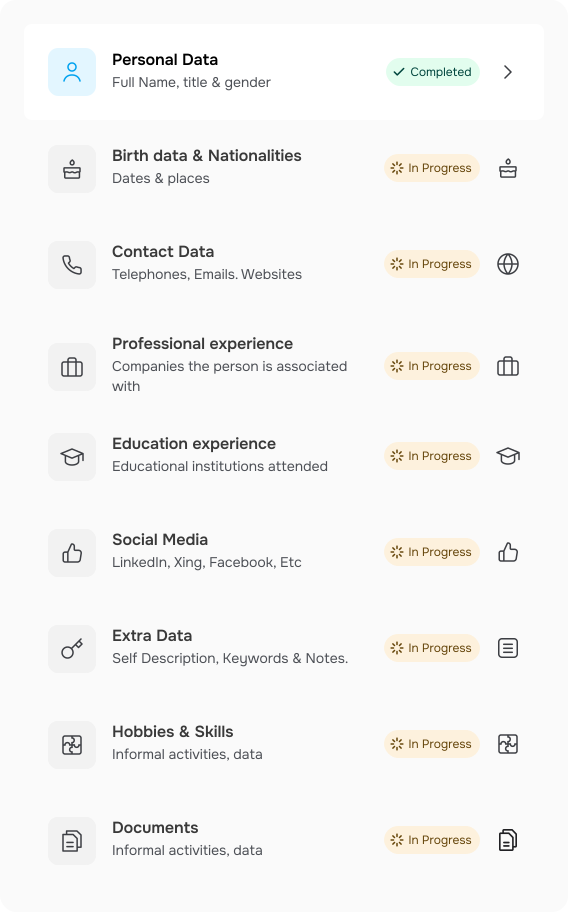
Indicium automates the preliminary check for Fit & Proper:
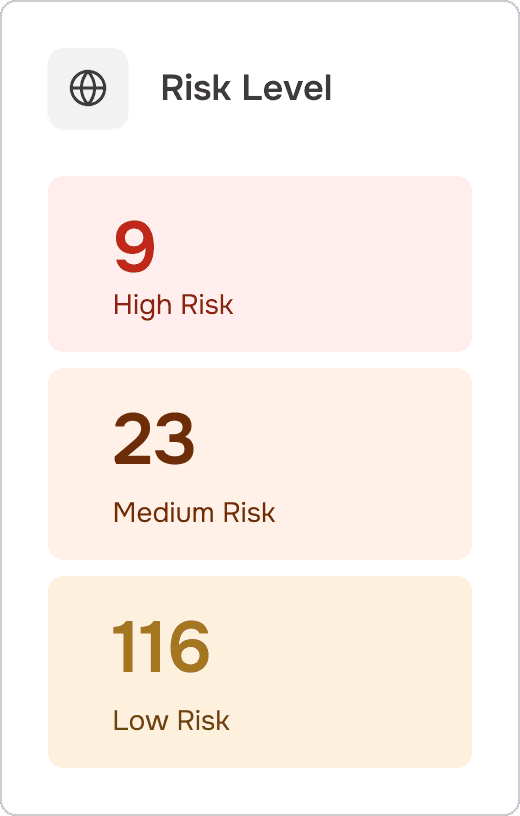
Reliability screening: Automatic checks against sanctions lists, PEP databases, insolvency registers, and adverse media
Qualification verification: Review of educational credentials and professional background
BaFin-ready reports: Structured documentation that can be used directly for the notification process
Ongoing monitoring: Automatic alerts when the risk profile changes
The result: you identify potential issues before the BaFin procedure — not during it.
Read more — related articles
Nabil el Berr, CEO

Diesen Artikel gelesen? Sprich 30 Min mit unserem Head of Sales.
Die hier beschriebenen Prüfungen automatisiert Indicium: DSGVO-konform, EU/Schweizer Hosting, audit-fester Trail, Reports in 8–30 Minuten. Drei Insight-Essential-Reports kannst Du ohne Kreditkarte testen.
Mabon Hein, Head of Sales · 30 Min · Keine Sales-Pitch